
How to Prepare Your Business for Cyber Threats During Peak Seasons


Understanding the Importance of Cybersecurity
During peak seasons, businesses often experience an influx of activity that can make them more vulnerable to cyber threats. Hackers are aware of this increased traffic and may attempt to exploit any vulnerabilities in your systems. Preparing your business for these threats is critical to safeguard sensitive data and maintain customer trust.
Review and Update Security Protocols
One of the first steps in preparing for potential cyber threats is to review and update your security protocols. Ensure that your firewalls, antivirus software, and intrusion detection systems are up to date. Regularly updating these systems helps protect against the latest threats and vulnerabilities.
Consider conducting a comprehensive security audit with a cybersecurity expert to identify any weak points in your current setup. This proactive measure can prevent costly breaches and downtime during peak periods.
Train Your Employees
Employees are often the first line of defense against cyber threats. Conduct regular training sessions to educate them on recognizing phishing emails, creating strong passwords, and following best practices for data security. Awareness and vigilance can prevent many common cyber attacks.

Implement Multi-Factor Authentication
Enhancing your login security with multi-factor authentication (MFA) adds an extra layer of protection. This process requires users to verify their identity through multiple forms of evidence, reducing the risk of unauthorized access to your business systems.
Implementing MFA can be an effective deterrent against cybercriminals looking to exploit weak or stolen passwords.
Backup Your Data Regularly
Data loss can be catastrophic for any business, especially during high-traffic seasons. Regularly backing up data ensures that you can recover quickly in the event of a cyber attack or system failure. Consider using a combination of on-site and cloud storage solutions to enhance data security and accessibility.

Monitor Network Activity
Continuous monitoring of your network activity can help identify suspicious behavior before it escalates into a full-blown cyber attack. Utilize advanced monitoring tools to detect anomalies and respond promptly to potential threats.
By maintaining vigilance over your network, you can mitigate risks and protect your business from potential breaches.
Develop an Incident Response Plan
No matter how robust your cybersecurity measures are, there's always a possibility of a breach. Having a well-developed incident response plan ensures that your team knows exactly what steps to take in the event of a cyber attack. This plan should include procedures for communication, containment, eradication, and recovery.
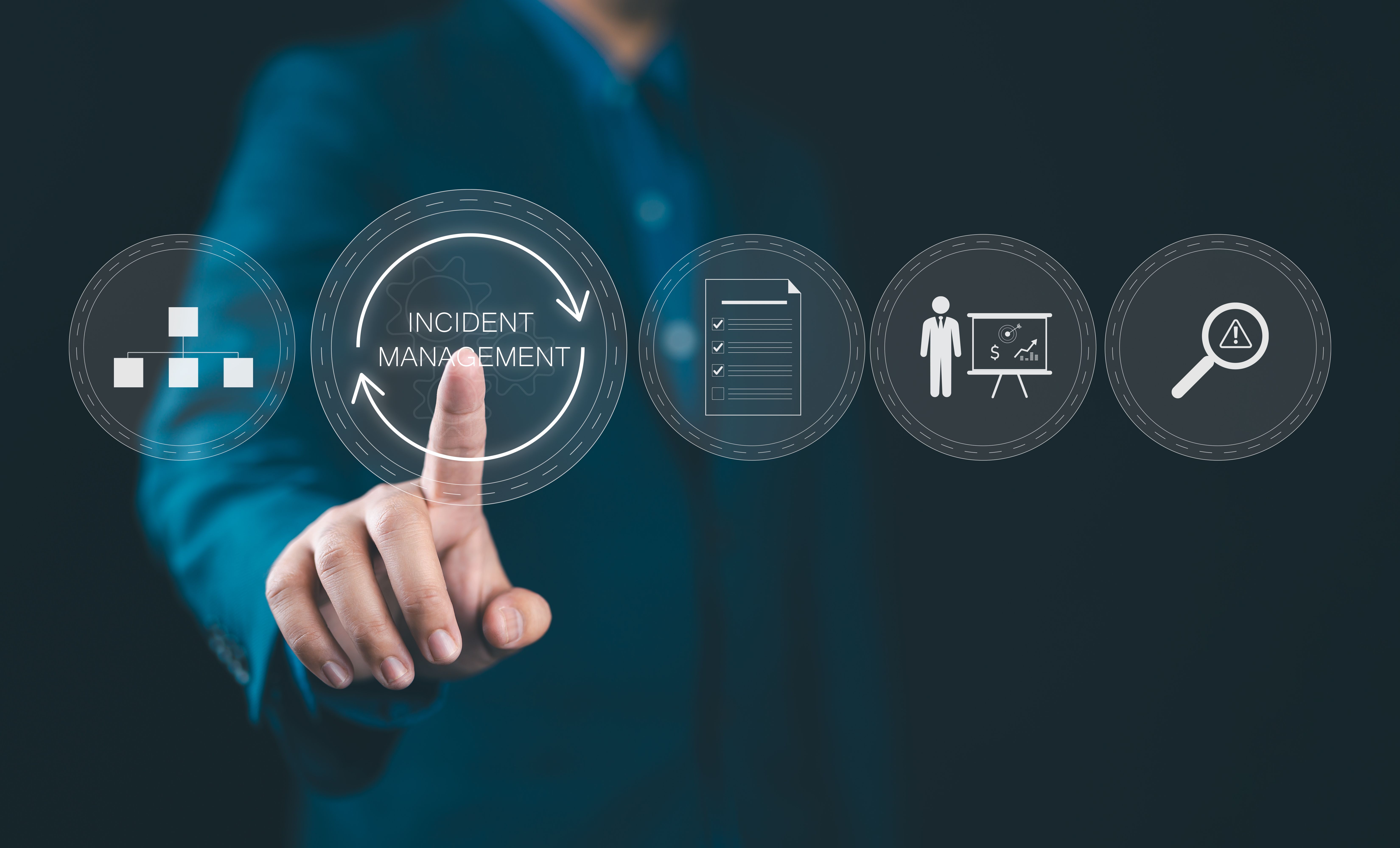
Regularly revisiting and practicing your incident response plan ensures that everyone is prepared to act quickly and efficiently, minimizing potential damage to your business.