
Myth-Busting: Common Misconceptions About Cybersecurity


Introduction to Cybersecurity Myths
In today's digital age, cybersecurity has become a crucial aspect of protecting personal and business data. However, numerous misconceptions still persist, leading to inadequate security measures and increased vulnerability. In this blog post, we'll debunk some of the most common myths surrounding cybersecurity.
Myth 1: Antivirus Software Provides Complete Protection
Many people believe that installing antivirus software is a one-stop solution for all their cybersecurity needs. While antivirus programs play a crucial role in detecting and removing malicious software, they are not infallible. New threats emerge daily, and no software can guarantee complete protection. It is essential to supplement antivirus programs with other security measures like firewalls, regular updates, and secure passwords.

Myth 2: Cyberattacks Only Target Large Corporations
There's a common perception that cybercriminals only target large corporations with vast resources. In reality, small and medium-sized businesses are often at higher risk because they might lack robust security infrastructure. These businesses often store valuable customer data, making them attractive targets for cybercriminals. Every business, regardless of size, should prioritize cybersecurity.
Implementing comprehensive security measures such as employee training and regular vulnerability assessments can significantly reduce the risk of falling victim to cyberattacks.
Myth 3: Password Complexity Is Unnecessary
It's easy to fall into the trap of using simple passwords for convenience. However, weak passwords are one of the most common entry points for cybercriminals. A complex password that combines letters, numbers, and special characters is much harder to crack.
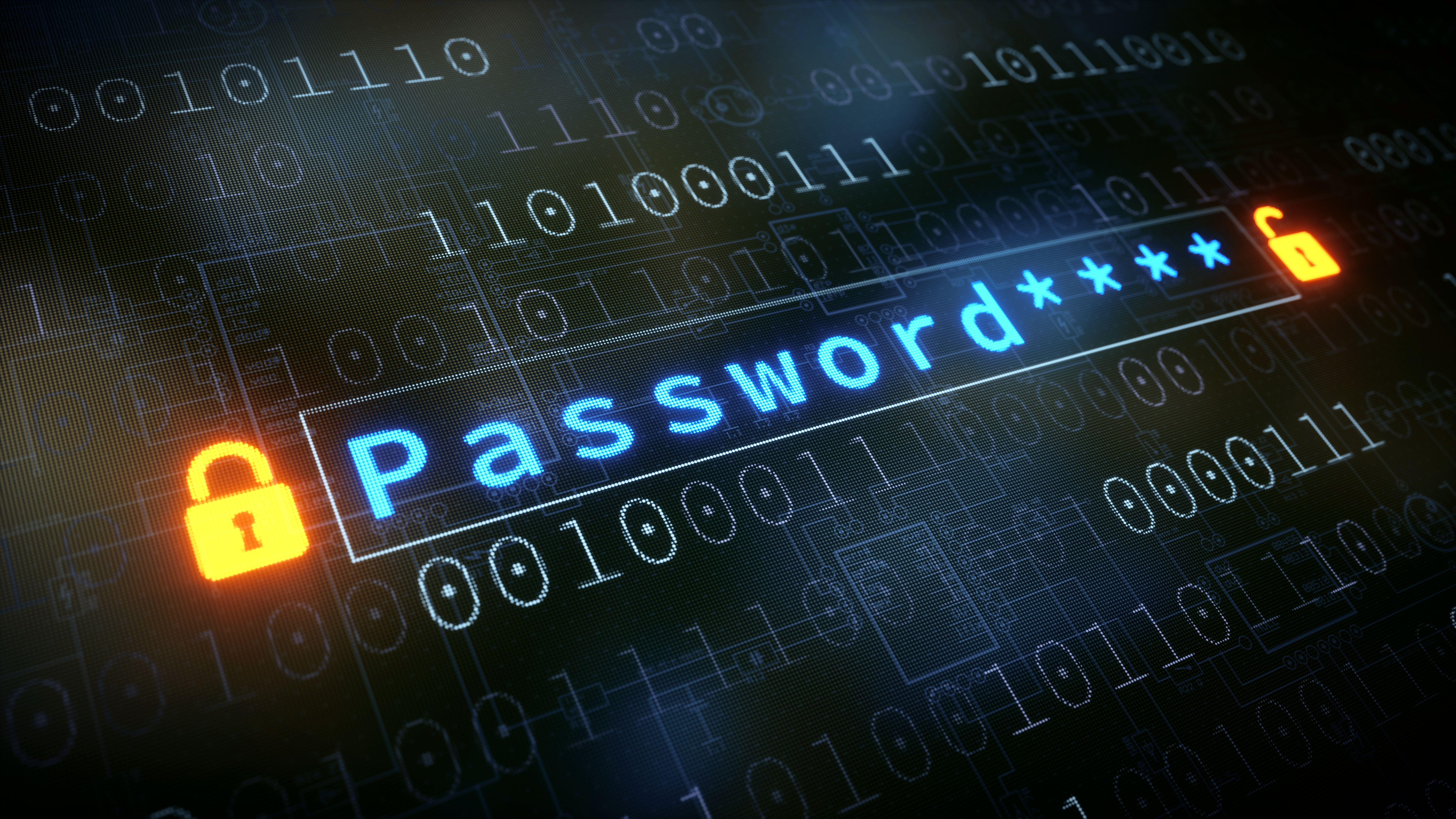
Additionally, using unique passwords for different accounts adds an extra layer of security. Consider using a password manager to keep track of complex passwords without sacrificing convenience.
Myth 4: Cybersecurity Is Solely the IT Department's Responsibility
Many organizations mistakenly believe that cybersecurity is exclusively the responsibility of the IT department. While IT professionals play a vital role in implementing and managing security systems, every employee has a part to play in maintaining a secure environment.
- Regular Training: Conduct regular cybersecurity training sessions to educate employees about potential threats.
- Clear Policies: Establish clear security policies that outline acceptable use of company resources.

Myth 5: Older Systems Are Safe from Cyber Threats
Some organizations assume that older systems are immune to modern cyber threats due to their age or perceived obscurity. This is far from the truth. Older systems often lack the necessary updates and patches that newer systems have, making them more vulnerable to attacks.
It's crucial to regularly update and patch all systems, regardless of their age, to protect against new vulnerabilities that cybercriminals might exploit.
Conclusion: Stay Informed and Vigilant
Debunking these myths is a step toward building a more secure digital environment. Cybersecurity is a continuously evolving field, and staying informed is crucial to keeping your data safe. By understanding and addressing these misconceptions, individuals and businesses can better protect themselves against the ever-present threat of cybercrime.